Late Minoan tholos tomb at Fylaki
A tholos tomb was discovered at the site of “Tis Trypas t’ Armi” on a hillside 1 km northwest of the village of Fylaki. The tomb dates from the Late Minoan III A/B period (14th – 13th c. BC).
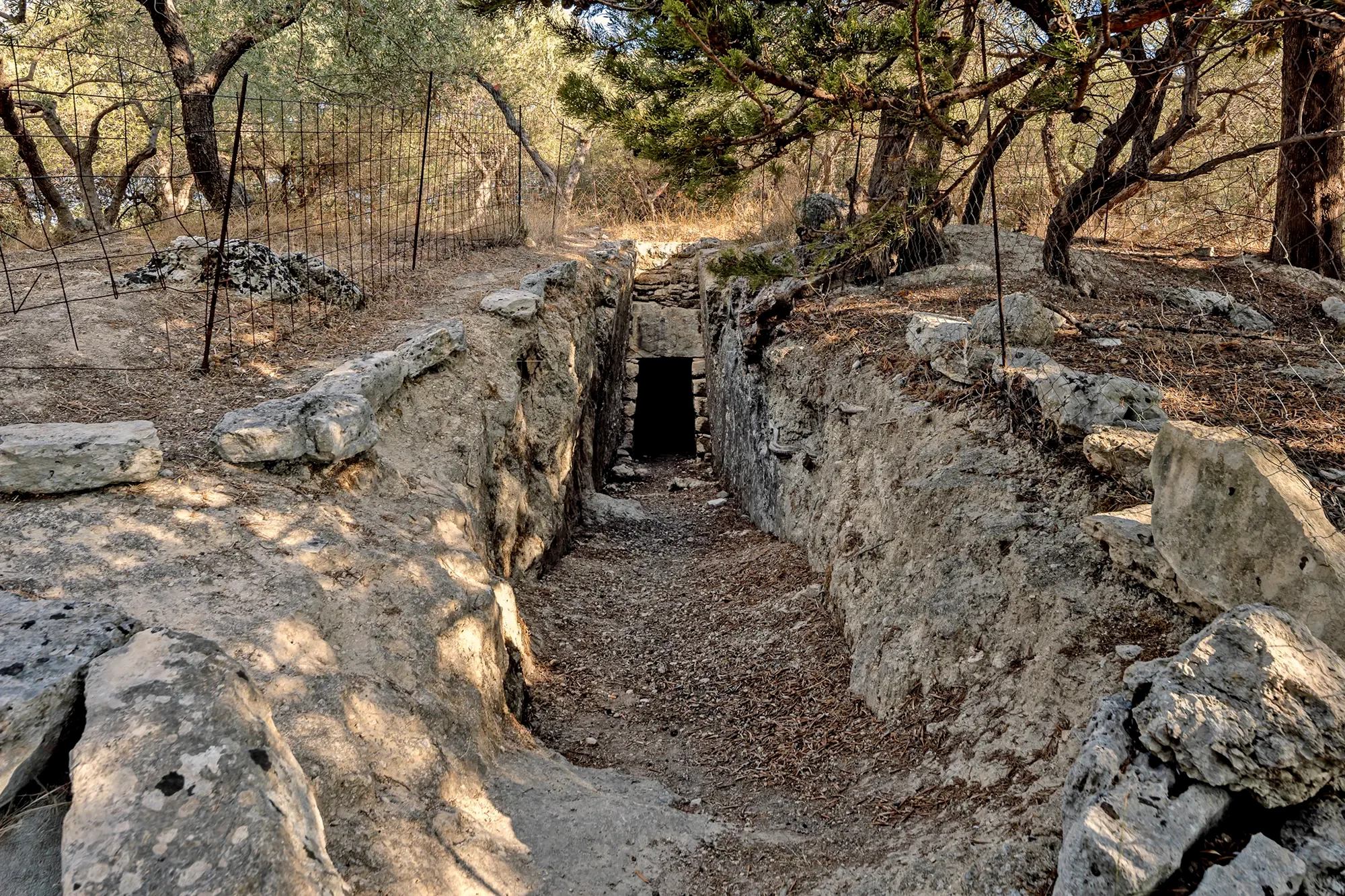
The tomb consists of a square burial chamber built of dressed stone slabs with a pyramidal roof. It was entered via a long, sloping dromos (sunken passageway) cut into the rock.
It is not known how many burials it contained, but the remains of a man and a child were found inside. Bovid bones and traces of fire are probably evidence of animal sacrifice.
The tomb was looted but still contained rich grave goods when it was found.
Signet rings, sealstones, gold rosettes and beads of various shapes were discovered inside the tomb. The ivory plaques with relief decoration of helmeted warriors’ heads, sphinxes, goats, floral themes and small pillars are particularly important finds. They were probably inlaid on wooden objects.
Locals believed the roof of the tomb to be a well mouth, which they used as a rubbish dump. This prevented the site from being completely looted. The excavations revealed a wide variety of items, from modern animal bones to the clothing of tuberculosis patients.
Inside the tomb are traces of the modern period: dogs’ claw marks on the lower stones, as the animals abandoned here to die tried to escape.
-
- Tholos tomb, Fylaki. The dromos and the entrance to the burial chamber (source: Sotiris Zapantiotis).
-
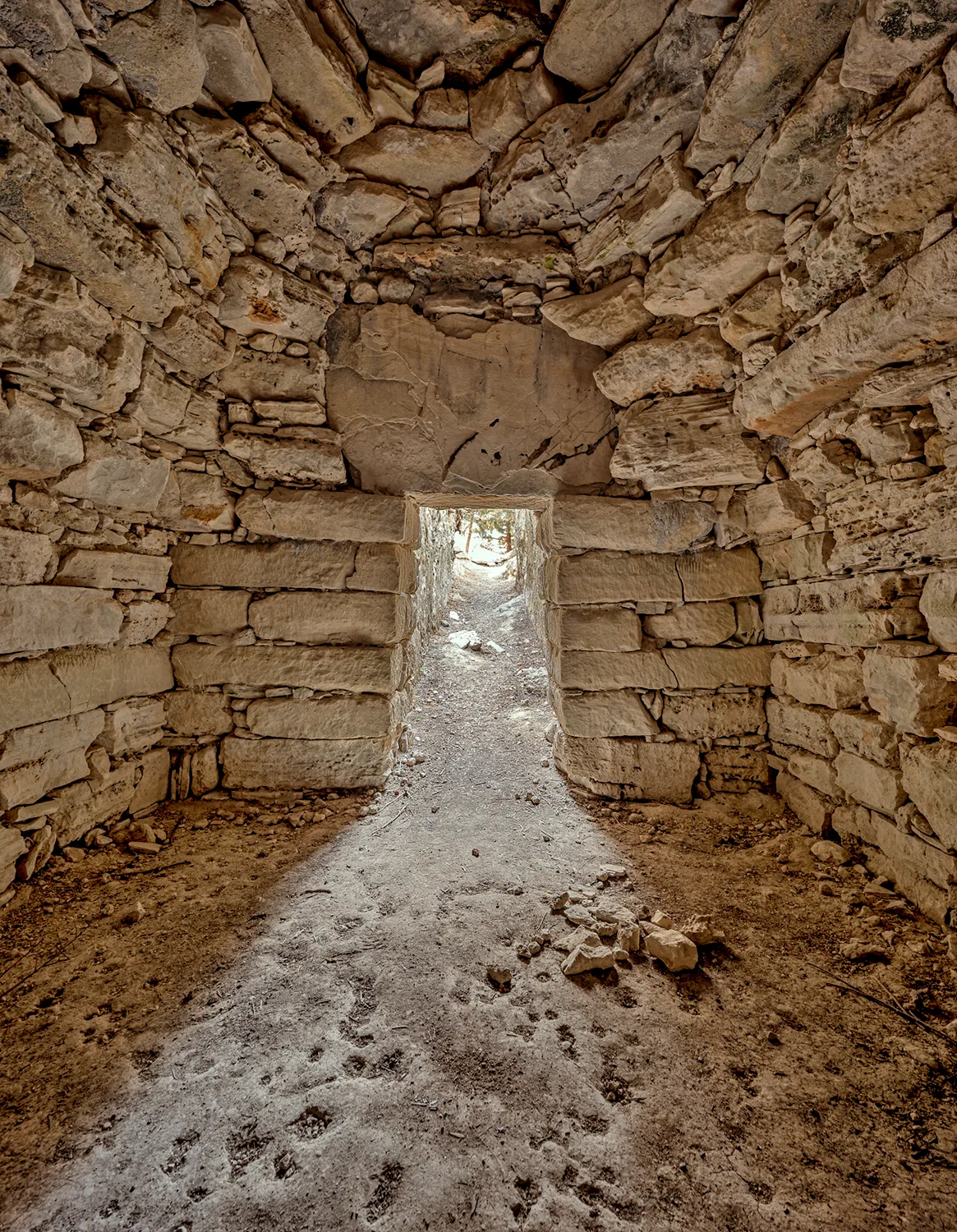
- Tholos tomb, Fylaki. The interior of the burial chamber (source: Sotiris Zapantiotis).
 Late Minoan tholos tomb at Fylaki in the Route of Timelessness
 Late Minoan tholos tomb at Fylaki in the Route of Life and Death
These two monuments reveal the stratification of society during this period, when monumental tombs were constructed for members of the upper classes.
Fylaki
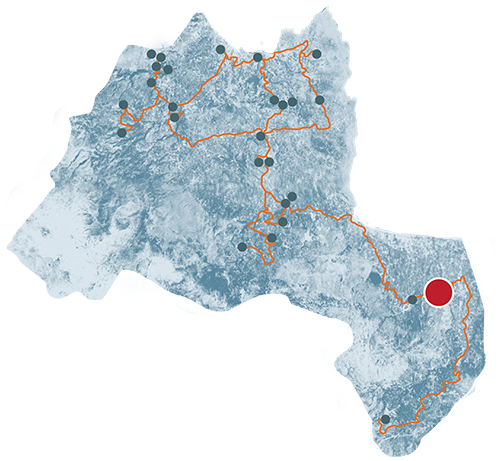
Fylaki is located at an altitude of 100 m and is 49 km from Chania, south of the village of Dramia, with which it forms the local community of Fylaki. It has been declared a protected settlement.