Venetian-Turkish farmhouse in Nio Chorio
The farmhouse complex is located in the centre of the modern village of Nio Chorio (New Village). It is a residence with agricultural processing areas.
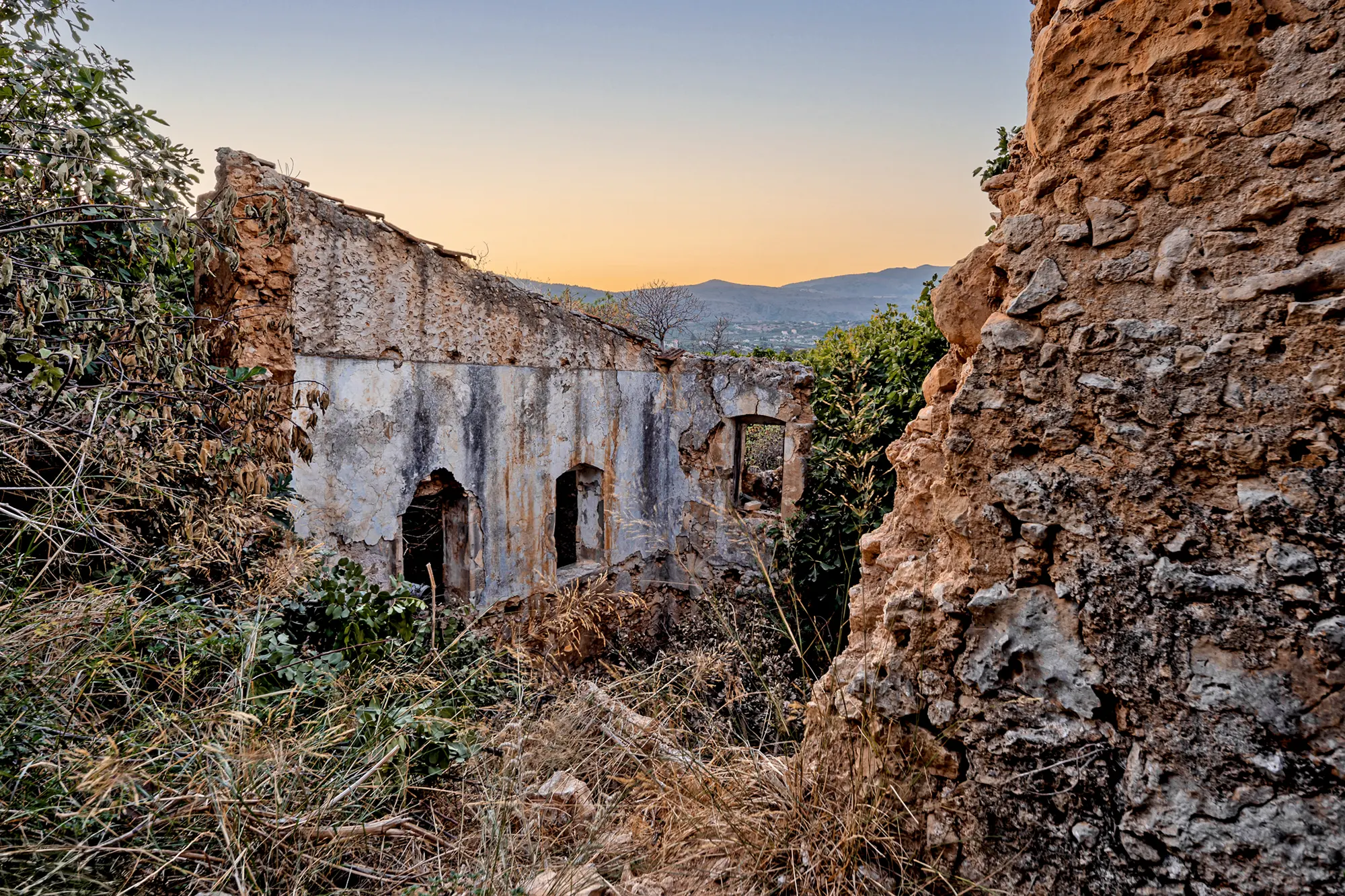
The rooms of the complex extend along the longitudinal axis. They comprise an olive mill, the house, servants’ quarters and storerooms. The oldest building is the olive mill, while the rest of the complex was built in different phases to serve its varying needs. The mill was a large, almost rectangular room divided into two spaces by two semicircular arches.
The complex was accessed via a wide cobbled road.
The two domed hammams on the east side of the house, belonging to the fourth phase of the complex, are typical elements of Ottoman architecture.
The original nucleus of the complex dates from the Late Venetian period. The olive mill remained in use during the Ottoman period, when the other rooms were added, turning it into a farmhouse complex where agricultural goods were processed.
-
- Venetian-Turkish farmhouse, Nio Chorio. Interior view (source: Sotiris Zapantiotis).
-
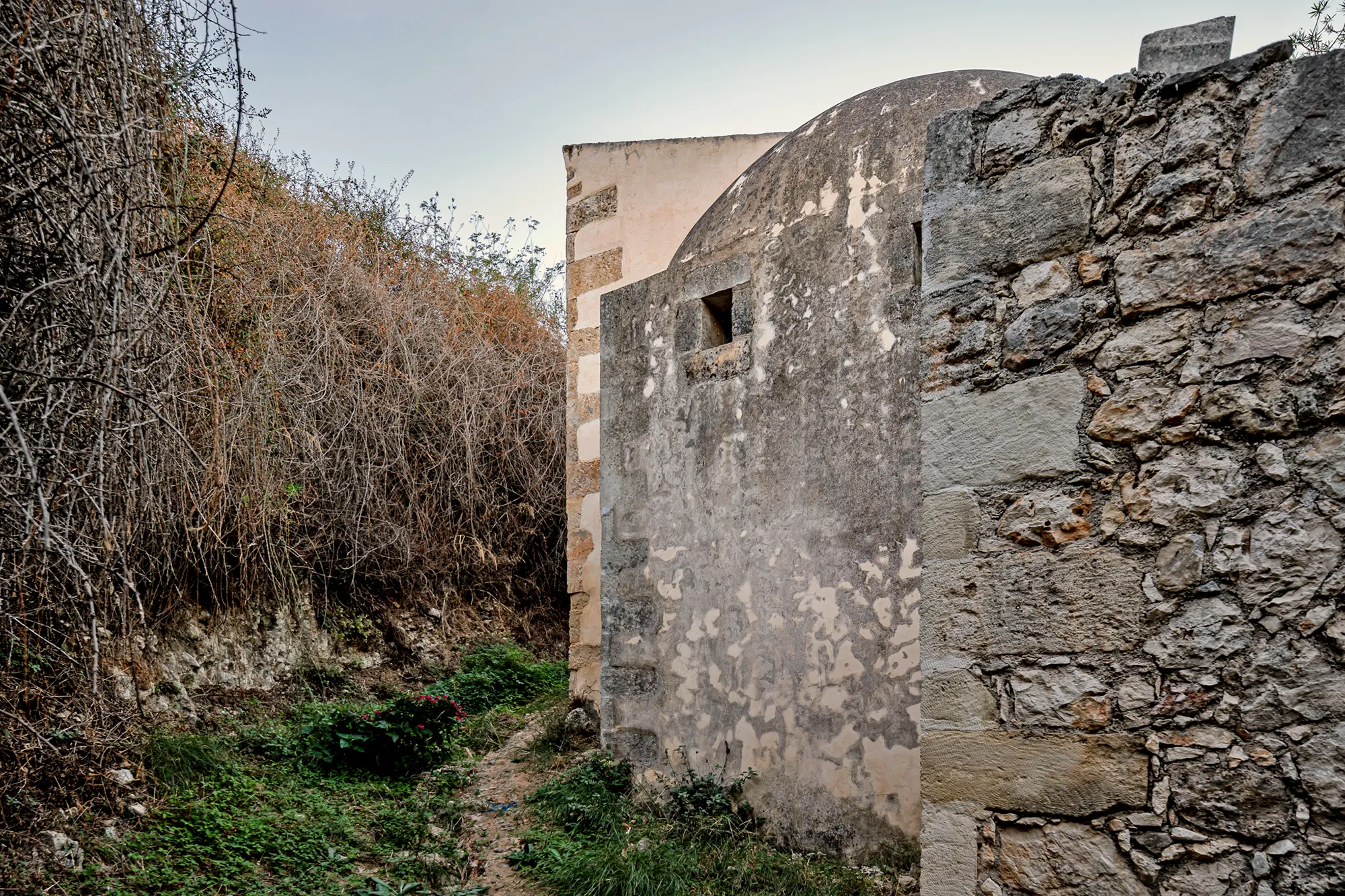
- Venetian-Turkish farmhouse, Nio Chorio. Exterior view with the domed hammam (source: Sotiris Zapantiotis).
 Venetian-Turkish farmhouse in Nio Chorio in the Route of Timelessness
 Venetian-Turkish farmhouse in Nio Chorio in the Route of Sustainability
 Venetian-Turkish farmhouse in Nio Chorio in the Route of Rural Life
The olive oil processing and production facilities in Nio Chorio are a remarkable example from the peak period of olive cultivation in Crete, when olive oil became the mainstay of domestic production and new olive mills were built or existing ones expanded.
-
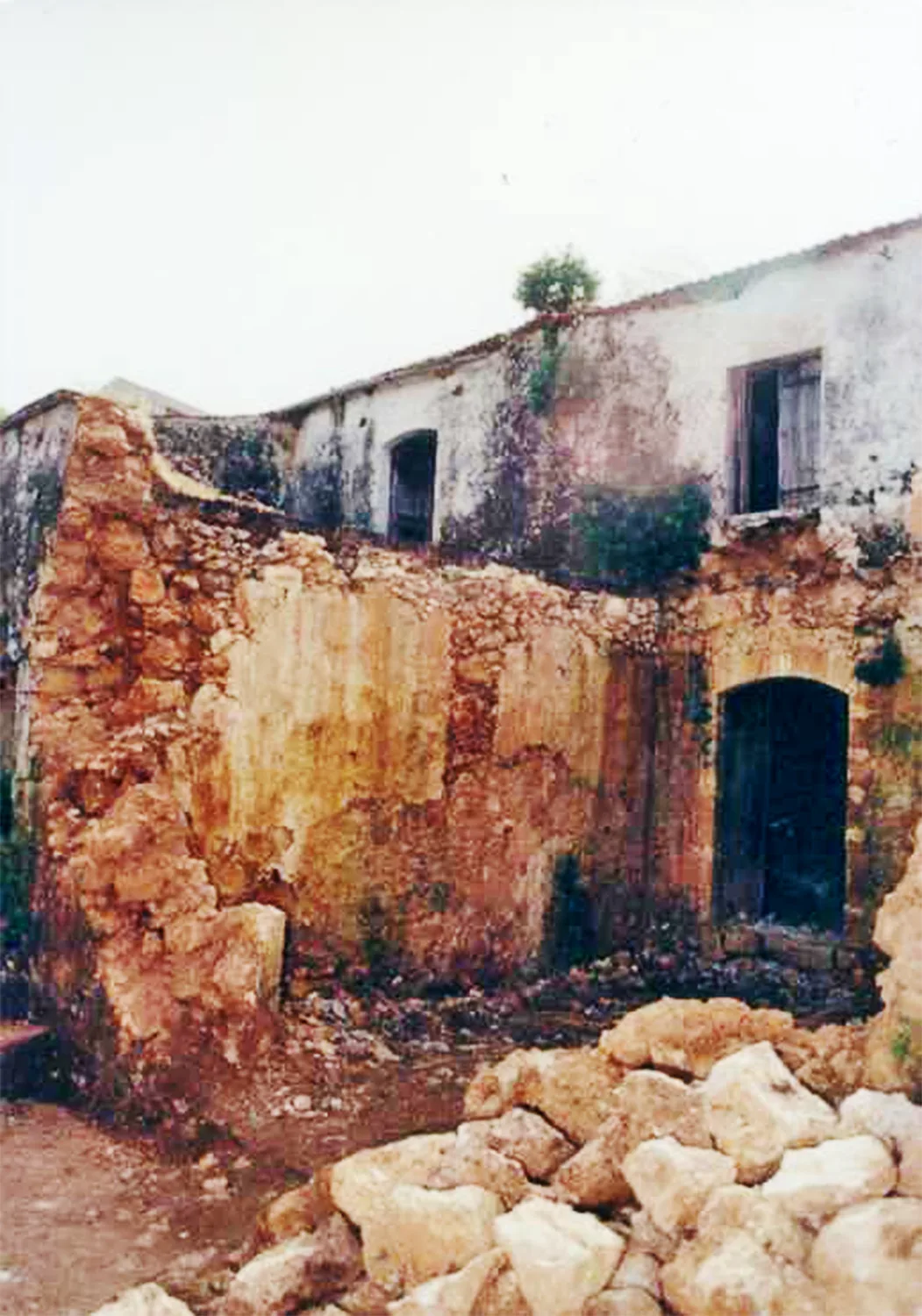
- Venetian-Turkish farmhouse, Nio Chorio (source: Marianna Aggelaki).
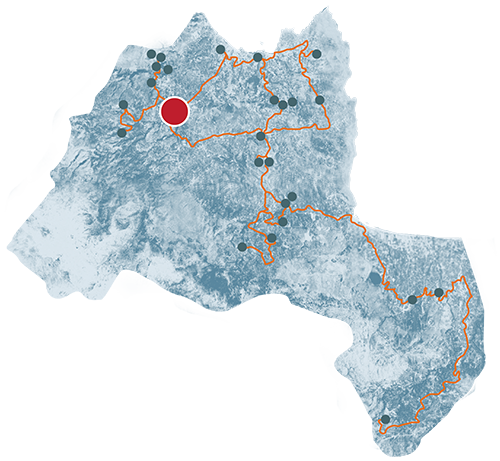
Nio Chorio
Nio Chorio is located at an altitude of 80 meters, in the valley of the Xide River.
The village is located on the old Chania-Rethymno national road and is 23 kilometers from Chania.